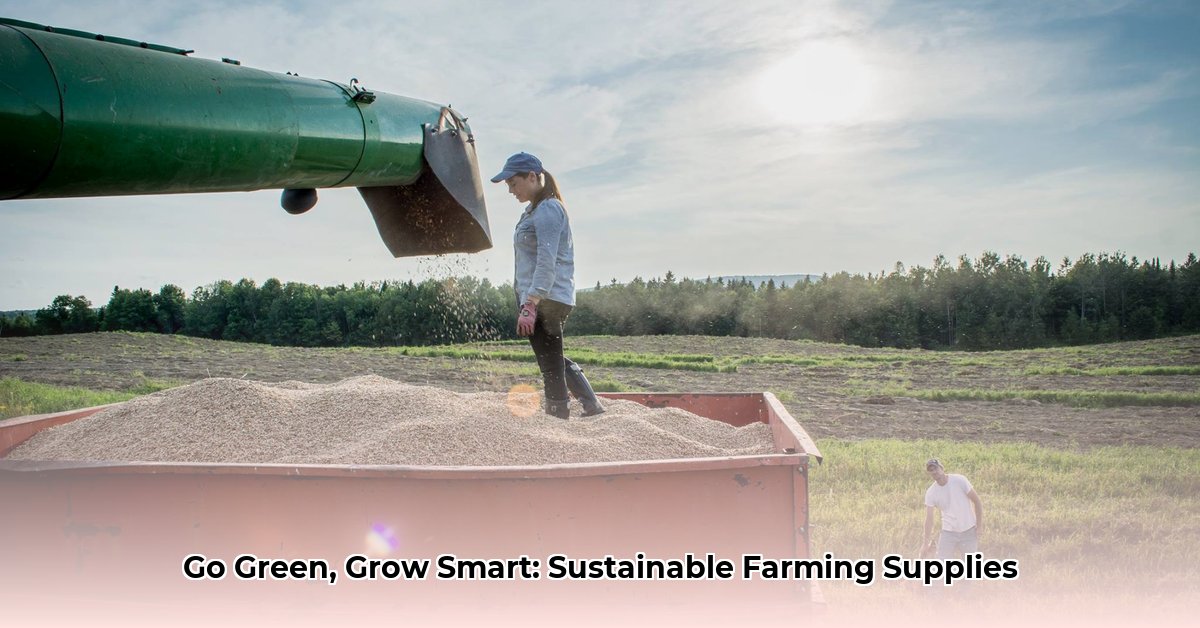
Tractor Supply Brigham: Navigating Sustainable Farming Options in Northern Utah
The growing interest in sustainable agriculture in Utah is undeniable, with more individuals and families seeking environmentally friendly farming practices. Tractor Supply (TSC), with convenient locations in Brigham City and Perry, offers a range of products that could support these efforts. For more information on TSC's equipment, check out this helpful resource. However, a closer examination reveals both opportunities and significant shortcomings in TSC's contribution to truly sustainable agriculture in the region. This article provides a practical guide for navigating TSC's offerings, identifying their limitations, and outlining actionable steps for both TSC and its customers to foster a greener future.
Tractor Supply's Product Offerings and Their Sustainability Implications
TSC stores in Northern Utah stock a diverse selection of goods crucial for sustainable farming, including seeds, fertilizers, tools, and animal feed. However, the lack of clear and consistent sustainability labeling significantly hinders informed consumer choices. For example, finding organic or non-GMO options often requires careful scrutiny and comparison of product details.
Consider the challenge of sourcing organic chicken feed. While TSC carries various options, the absence of readily apparent organic certification or clear sourcing information forces consumers to spend considerable time investigating each product individually. This lack of transparency extends to other key supplies, including fertilizers and even certain seeds. Many bags of feed lack explicit details about the origin of ingredients or farming methods used, making truly sustainable purchasing a difficult endeavor. How can consumers confidently choose products aligned with their values when accurate information is not readily available?
Gaps and Challenges in Tractor Supply's Approach to Sustainability
Three major areas require significant improvement to enable TSC to meaningfully contribute to sustainable agriculture:
Lack of Transparency: The absence of clear and consistent labeling regarding organic certification, non-GMO status, and sustainable sourcing practices makes it exceedingly difficult for consumers to make ethical and environmentally responsible purchasing decisions. This lack of information undermines TSC's potential to support sustainable practices.
Limited Educational Outreach: TSC currently lacks targeted educational initiatives to promote sustainable farming techniques. Workshops, demonstrations, or even in-store educational materials could empower customers to make better choices and adopt more environmentally sound practices. This lack of proactive engagement presents a missed opportunity for both TSC and its customer base.
Reaching Diverse Customer Needs: TSC needs to better support diverse communities with varying levels of agricultural knowledge and resource access. Tailoring messaging and offerings to meet the unique needs of large-scale farmers, small-scale gardeners, and urban farming communities will be crucial to achieving meaningful impact. How can Tractor Supply ensure its resources are accessible and relevant to all stakeholders?
Recommendations for a More Sustainable Future
To effectively promote sustainable agriculture in Northern Utah, a collaborative effort is needed involving Tractor Supply, its customers, and relevant government agencies:
1. For Tractor Supply:
- Implement comprehensive and consistent sustainability labeling across all agricultural supplies. Clearly displayed labels for organic, non-GMO, and sustainably sourced products will help empower consumers to make informed decisions.
- Actively partner with sustainable suppliers who meet stringent environmental and ethical standards. This commitment to sourcing will build consumer trust and enhance TSC’s sustainability credentials.
- Invest in robust educational initiatives, including workshops, online resources, and in-store demonstrations, to educate customers about sustainable agriculture practices. Collaborate with local experts and agricultural organizations to create effective and impactful programs.
- Conduct regular customer surveys to identify key areas for improvement and understand changing consumer demands related to sustainability. This proactive approach will ensure TSC’s offerings and messaging remain aligned with customer values.
2. For Farmers and Gardeners:
- Become informed consumers: Ask questions about product sourcing and sustainability practices. Don’t hesitate to challenge retailers to improve their transparency.
- Seek out reputable certifications: Look for certifications such as the USDA Organic seal to ensure products meet established sustainability standards. Understanding these certifications will aid decision-making.
- Participate in educational opportunities: Attend workshops and seminars about sustainable farming practices to enhance your knowledge and skills. Share your knowledge within your community.
- Advocate for change: Encourage transparency by demanding more sustainable products and practices from retailers like Tractor Supply.
3. For Utah Agricultural Agencies:
- Collaborate with retailers like TSC to implement comprehensive sustainable agriculture initiatives within the state. This collaborative effort can enhance the effectiveness of these programs and increase overall adoption.
- Provide financial incentives for farmers and gardeners who adopt sustainable practices. This will incentivize the transition to more environmentally responsible approaches.
- Develop and promote public awareness campaigns to educate the public about the importance of sustainable agriculture and the role consumers can play.
Conclusion: Cultivating a Sustainable Future Together
Tractor Supply holds significant potential to contribute positively to the growth of sustainable agriculture in Northern Utah. However, realizing this potential requires a concerted effort from all stakeholders – TSC, its customers, and relevant agricultural agencies. By working together, we can create a more environmentally responsible and resilient food system for generations to come. The path towards a greener future begins with informed choices, clear communication, and a collaborative commitment to sustainable practices.